"Byl jsem narozen 10. srpna
1928. A do nedávna jsem měl dojem, že jsem i avantgardní. Šest neděl po narození
mě naši odvezli na Slovensko do vesnice Haspruňka. Kde prožijeme dětství, tam jsme
taky doma. Teď je můj domov v cizině, kam se nebudu vracet.
Byl jsem dítě přehnaně sensitivní, čichal k trávě, stodolám i
vodním tůňkám. Nikdy jsem se nenaučil pravopis, počty ani chemii.
V roce 1939 jsem se dozvěděl, že jsem Čech, to jest nepřítel
slovenského lidu.
Po Češích šli židi. Viděl jsem, co dovede udělat člověk člověku
a začal se mi hnusit rasismus. Na dům nám napsali "čechú von hamba im".
Ztratil jsem kamarády a v Čechách jsem nové nehledal. Byl jsem stále sám a samota
mě netížila. Byl jsem emigrantem v rodné zemi.
Semilsko byl kraj duchařů a mediánů. Bylo mi 12 let,
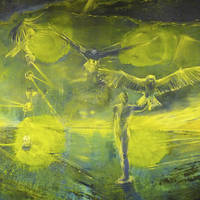
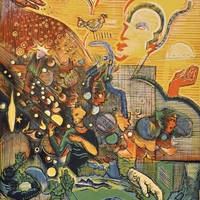
když mi sousedka prorokovala, že budu malířem medijních obrazů. které vidí viset v
muzejích po světě, že mě vidí stoupat po širokých schodech až nahoru, kde mně
podávají ruku velcí zemřelí umělci. A za mnou stále jde starý člověk.
Na toho člověka jsem dlouho čekal. Bylo mi už třicet
let, kdy za mě začala bojovat profesorka Naděžda Melníková-Papoušková. V roce 1958
zanesla moje grafiky do Hollaru na výstavu hostů. Byly přijaty. Podmínka členství
byla, aby mě vzali 3x na výstavu hostů. Pak jsem teprve žádal o členství.
Když
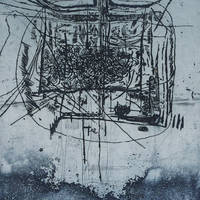
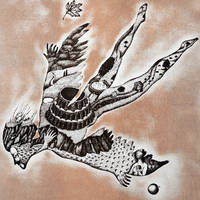
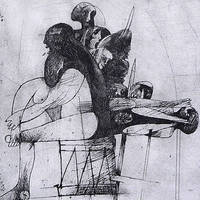
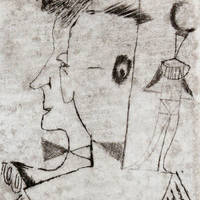
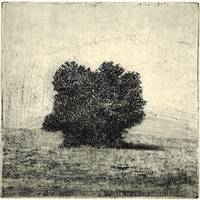
staří členové viděli mé suché jehly, prohlásili, že takové prase, co tiskne
grafiku na kladívkové čtvrtky, nemůže být členem spolku Hollar. Malíř Ota
Janeček na to prohlásil, že právě jedno takový čuně by tam mělo být a byl jsem
přijat.
Profesorka Papoušková už tady není. A já se pomalu
připravuju na to podání ruky tam nahoře na těch schodech.
Ale před tím jsem chodil na Akademii výtvarných
umění, odkud mě vyhodil profesor Minář v roce 1947 a po roce mě přijal profesor
Štipl na VŠ UPRUM. Tam jsem pokorně studoval a ilegálně maloval, aby to nikdo
neviděl, jelikož že prej to bylo zvrhlé a deformované a nic to neříkalo
pracujícím (prof. Mrkvička).
Miloval jsem přednášky profesora Pečírky a Spurného,
kamarádil s asistentem Arsenem Pohribným a hlavně byl vděčný profesoru Štiplovi,
že mě tam nechal a já šest let modeloval panáky. Bez potvrzení, že jsem
studovanej,
se tenkrát umění dělat nemohlo.
V roce 1954 škola skončila a já šel domů. Odstěhovat
se z Prahy znamenalo uměleckou sebevraždu. Dělal jsem promítače, šoféra i ředitele
Domu osvěty. Ale čím jsem byl, tím jsem byl nerad. Na volnou nohu jsem šel již jako
šedesátiletý.
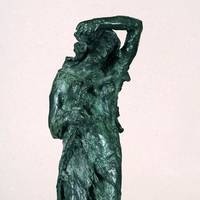
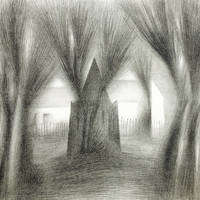
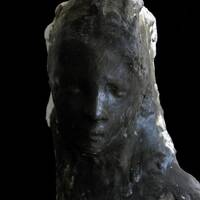
Mám za sebou moc samostatných výstav. Jsem zastoupen ve
sklepech většiny galerií v Čechách. Vystavoval jsem ve všech státech Evropy.
Ilustroval jsem hodně knih, bibliografií a exlibrisů. Za svůj život jsem byl svědkem
několika revolucí. A nebyly to jen revoluce politické. Všechno to bojování skončilo
jako plácnutí dlaní o vodu. Zůstali jen mrtví a nenávist člověka k člověku.
Tohle všechno formovalo můj názor na pokrok v umění.
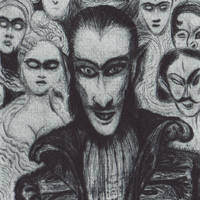
Jsou malíři velkých orchestrů, fanfár a činelů a
malíři houslí bez doprovodů. Já chtěl být vždycky tím druhým. Umění jsem nikdy
nedělil na staré a nové. Jak se režimy střídaly, byl jsem někdy považován za
nepřijatelně moderního, jindy za trapně konservativního.
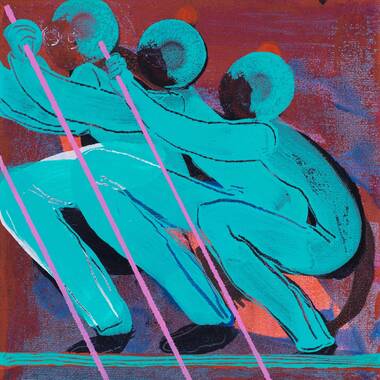
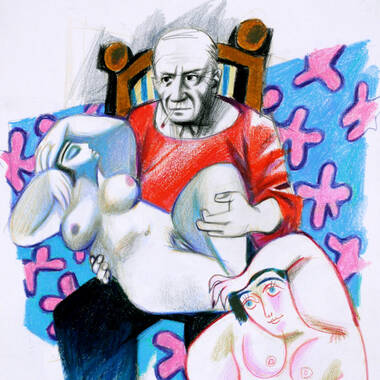
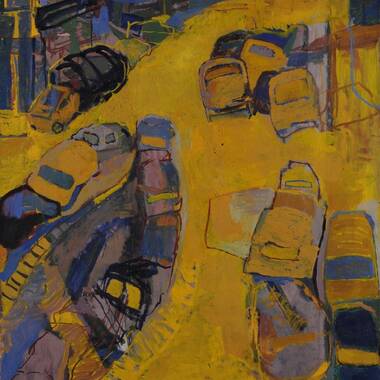
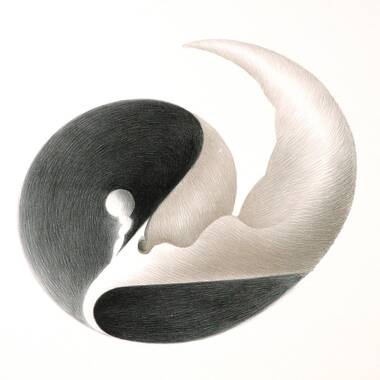
Vždycky jsem se snažil, aby moje obrazy byly čitelné.
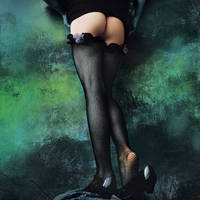
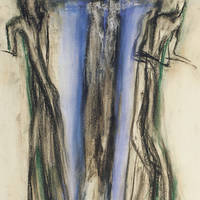
Chci malovat kousek ticha v současném kultu ošklivosti. Nechci šokovat, abych na sebe
upozornil. Maluju bezbranné lidi s citlivou duší. Nechci "rvát vášně na cucky
a samé cáry", jak radí Hamlet hercům. Lidská tragedie je bílá, tichá,
stojatá jak vody a bez konce.
Uvědomuji si to dnes, když začínám odčítat čas, jak
to dělají na raketových základnách. Maluju oltáře útěchy. Touhu po smíření.
Vono totiž není co objevovat. Jen chvíli postát, než přijde konec.
Vladimír Komárek |
''I was born on 10 August 1928. Up until recently, I'd had the
impression that I was also an avant-garde artist. Six weeks after birth, my parents took me
to Slovakian village of Hasprunka. Where we spend our childhood is our home. Now, my home
is abroad where I will not return.
I was much too sensitive as a
child - smelling grass, barns and
water ponds. I never learnt spelling, maths or chemistry. In 1939, I learnt I was a
Czech, meaning the enemy of the Slovak people.
The Czechs were the
target now, after the Jews. I saw what people could do to one another and racism
disgusted me. They wrote ''Shame on the Czechs! Get out!'' on our house. I
lost my friends and did not look for any in Bohemia. I was always alone but
loneliness did not depress me. I was an immigrant in my own country.
The Semily region
was a spiritual and sensuous land. I was twelve years old when our neighbour
prophesied that I would become a painter of sensuous paintings she imagined
hanging in museums all over the world. She saw me walking up a wide
staircase right to the top where famous dead artists shook my hand. And
behind me there always walked an old man.
I waited for that
man for a long time. I was already thirty when Professor Nadezda
Melnikova-Papouskova fought for my recognition. In 1958, she took graphics
to the Hollar Club to show at a guests' exhibition. They were accepted. The
condition for becoming a member was to have had ones art works exhibited
three times as a guest. As soon as I had done that I asked to be admitted. When
the old members saw my dry points they said that such a pig who prints
graphic on hammered sheets could not be a member of the Hollar Club. Painter
Ota Janecek then declared that one such pig should be there, and so
I was accepted.
Professor
Papouskova is not here any more. And I am slowly getting ready for the
handshake up there on the stairs.
But before that I
had been attending the Academy of Visual Arts, from which I was kicked out
by Professor Minar in 1947. A year later Professor Stipl took me to the
College of Applied Arts. I was painting for myself and humbly studying, but
nobody saw my stuff because it was considered degenerate and deformed and
had nothing to say to the working class (Prof. Mrkvicka).
I loved the
seminars of Professors Pecirka and Spurny, was friends with assistant Arsen
Pohribny and, above all, was thankful to Professor Stipl who let me mould
statues for six years. Without a graduation certificate one could not
officially create art.
In 1954, college
ended and I went home. To move out of Prague was considered an artistic
suicide. I worked in a projection room, as a driver and even as a director
of the local free time Education Institution. But whatever I did, I did not like doing. I became a
free lance artist in my sixties.
I have done many
one-artist exhibitions . My artwoks are in the cellars and storage rooms of most of Czech
art galleries. I have exhibited in all European states. I have illustrated a lot
of books, bibliographies and ex-libris. Throughout my life I have witnessed
a number of revolutions. And not just political ones. All that fighting
ended like slapping the water's surface with the palm of the hand. Only the
dead and human hatred remained. All this has formed my opinion of progress
in art.
There are painters
of large orchestras, flourishes and cymbals, and painters of violins without
accompaniment. I have always wanted to be the latter. I have never divided
art into old and new. As the regimes changed I was sometimes considered as
unacceptably modern, other times as embarrassingly conservative.
I have always tried
hard for llegibility of my paintings. I want to paint a piece of silence in
the contemporary cult of hideousness. I do not wish to shock, to get
attention. I paint defenseless and vulnerable people with sensitive souls. I
do not wish to ''tear passions to pieces'' as Hamlet advises to actors.
Human tragedy is white, silent, stagnant like waters, and endless.
I realise this
today when I count down the seconds as they do at rocket launch pads. I paint
altars of solace. Desire for reconciliation. There is nothing to discover,
really. Just to stand here for a while before the end comes.''
Vladimir Komarek
|