Pro správné zobrazení a funkčnost musíte mít povolený JavaScript. Jak Javascript povolit?
Zde je návod
Úvodní stránka
Prodej
Výstavy
Virtuální prohlídka
Katalogy
Podívejte se do ateliéru
Tiskové informace
Kontakt
Připravujeme
Obchodní podmínky
Dílo týdne
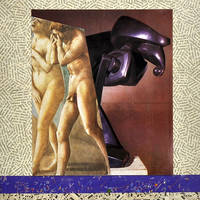
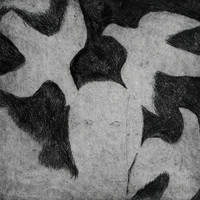
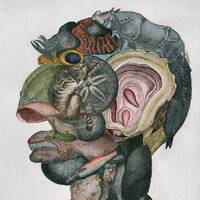
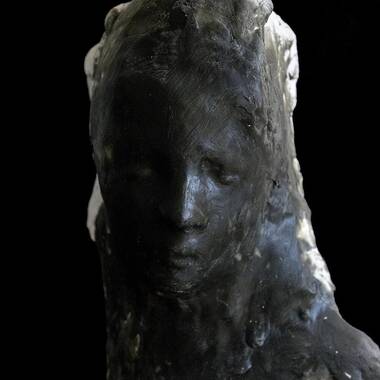
Jan Švankmajer - Arcimboldeskní hlava
Login
CZ
/
EN
Menu
Aktuální Výstavy
Ivo Křen
3-4/2024
Šárka Radová
3-4/2024
Předchozí výstavy
Dagmar Mezricky
1-2/2024
Igor Kitzberger
10-12/2023
Wona Wena
10-12/2023
Siegfried Herz
9-10/2023
Další výstavy
Další výstavy
Prodej
Česká socha 1900 - 1950
Grafická edice - Galerie Art Chrudim
František Bílek
Tomáš Bím
Josef Bolf
Adolf Born
Albín Brunovský
Michal Cihlář
Tomáš Císařovský
Josef Čapek
Jiří David
Emil Filla
Jan Gemrot
Alva Hajn
Andrej Haršány
Siegfried Herz
Václav Hollar
Tomáš Honz
Ota Janeček
Josef Jíra
Ludmila Jiřincová
Jiří John
Dimitrij Kadrnožka
Igor Kitzberger
Svatopluk Klimeš
Jan Knap
Jan Koblasa
Jiří Kolář
Markéta Kolářová
Vladimír Komárek
Alena Kučerová
Oldřich Kulhánek
František Kupka
František Kyncl
Kamil Lhoták
Ivana Lomová
Jan Lukas
Petr Malina
Zdeněk Mézl
Dagmar Mezricky
Barbora Myslikovjanová
Petr Nikl
Miroslav Oliva
Jan Paul
Veronika Psotková
Hana Purkrábková
Šárka Radová
Bohuslav Reynek
Marina Richter
Jaroslav Rössler
Martin Salajka
Jan Saudek
Petr Sís
František Skála
Miloš Sláma
Jiří Slíva
Tomáš Smetana
Antonín Střížek
Jiří Suchý
Jan Svoboda
Jiří a Eva Šalamounovi
Josef Šíma
Adriena Šimotová
Jakub Špaňhel
Max Švabinský
Jan Švankmajer
Vladimír Tesař
František Tichý
Toyen
Josef Váchal
Jitka Válová
Pavel Vašíček
Jan Vičar
Luděk Vojtěchovský
Josef Wagner
Jan Zrzavý
Martin Žák
Tomáš Žemla
Česká moderna
Světová grafika / World Graphic Art
Proběhlé výstavy
Ivo Křen
3-4/2024
Šárka Radová
3-4/2024
Dagmar Mezricky
1-2/2024
Igor Kitzberger
10-12/2023
Wona Wena
10-12/2023
Siegfried Herz
9-10/2023
Jan Švankmajer
6-9/2023
Toyen
5-6/2023
Jan Svoboda
3-5/2023
Ota Janeček
3-5/2023
Jiří Suchý
1-3/2023
Česká socha 1900 - 1950
1-3/2023
Oldřich Kulhánek
10/2022 - 1/2023
Peter Nižňanský
10/2022 - 1/2023
Světová grafická avantgarda IX
9-10/2022
Tomáš Pilař
9-10/2022
Tomáš Pilař
6-8/2022
Jan Vičar
6-8/2022
František Skála
5-6/2022
Michal Plíhal
5-6/2022
Jitka Petrášová
3-5/2022
Oldřich Jelínek
3-5/2022
Tomáš Smetana
2-3/2022
Petr Nikl
2-3/2022
Miroslav Oliva
12/2021 - 1/2022
Max Švabinský
12/2021 - 1/2022
Barbora Myslikovjanová
10-12/2021
Veronika Psotková
10-12/2021
Jan Saudek
9-10/2021
Martin Žák
6-8/2021
Všechny výstavy
Zajímají vás výstavy, které připravujeme?
Chcete dostávat pozvánky?
ANO
NE
Vyplňte, prosím, své jméno a e-mail: